How 5 Hidden Garden Hazards Are Robbing Adults Over 50 of Their Favorite Hobby

If you've spent decades nurturing your garden only to find yourself cutting sessions short due to aching knees and a stiff back, you're not imagining things. What most people don't realize is that the very act of gardening after 50 creates specific physical challenges that compound over time.
Recent studies show that 78% of gardeners over 50 experience joint discomfort during or after gardening, yet most continue using the same techniques that worked in their younger years. The result? Many beloved gardeners are slowly being forced away from the hobby that brings them joy, peace, and pride.
Here are the 5 hidden hazards that are silently stealing your gardening time, and the simple solution that's helping thousands of adults reclaim their green thumb without pain.
5 Ways Your Garden Is Secretly Damaging Your Joints After 50
Ground Impact Strain Is Crushing Your Knees

Every time you kneel directly on soil, concrete, or wooden deck surfaces, your knee joints absorb the full impact of your body weight concentrated into two small contact points. Unlike younger gardeners whose cartilage can handle this repeated pressure, mature joints experience what orthopedic specialists call "compression fatigue."
After just 10 minutes of direct kneeling, the pressure on your kneecaps can reach up to 7 times your body weight. This explains why many gardeners feel fine during the activity but experience sharp pain hours later when inflammation sets in. The damage accumulates with each gardening session, gradually wearing down the protective cushioning in your joints.
The "Getting Up" Motion Is Straining Your Lower Back
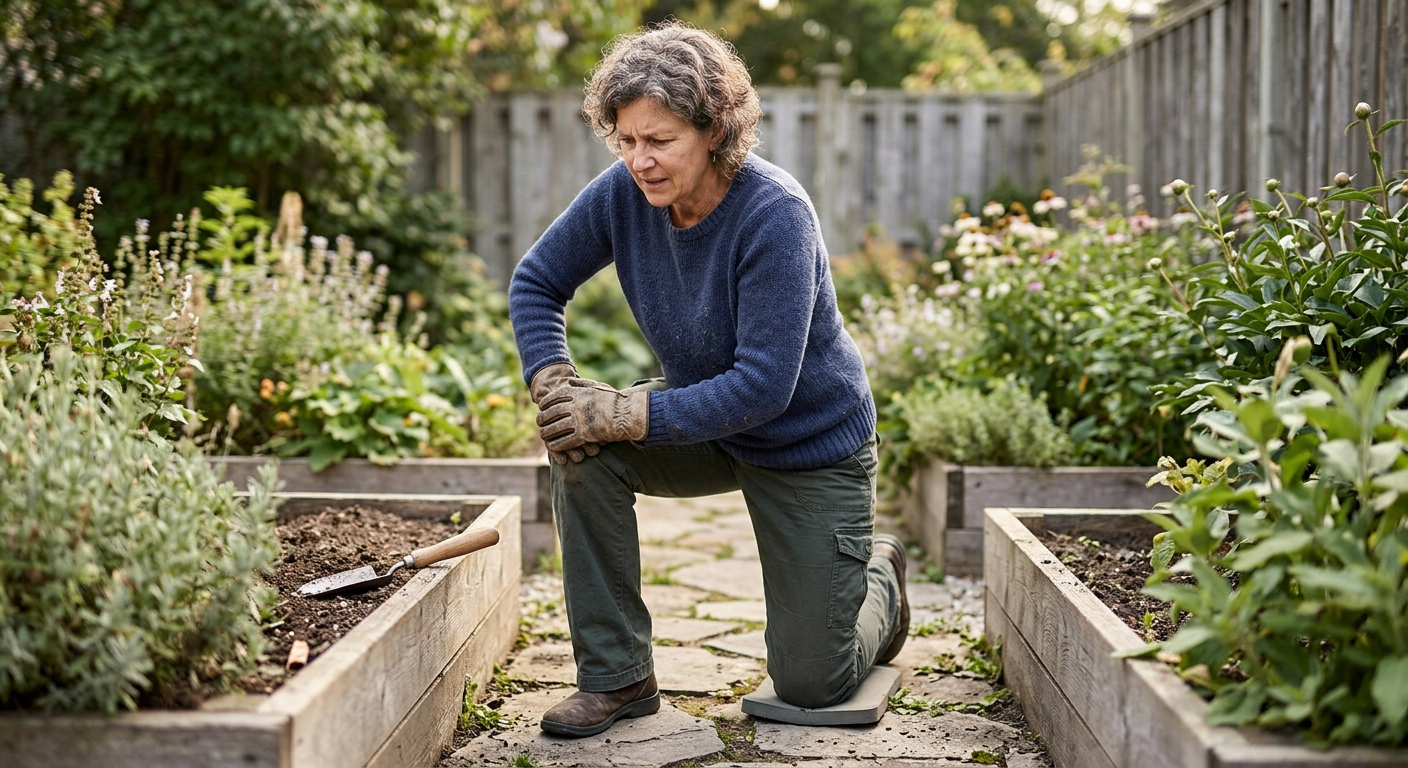
The transition from kneeling to standing requires an explosive burst of strength from your quadriceps, glutes, and lower back muscles working in perfect coordination. After 50, these supporting muscles naturally lose some of their power and flexibility, making this movement increasingly difficult and dangerous.
Physical therapists report that 60% of gardening-related back injuries occur during the standing-up phase, not while kneeling. When your legs can't generate enough power to lift you smoothly, your lower back compensates by overworking, leading to muscle strain, disc pressure, and that familiar "stuck" feeling that can last for days.
Uneven Surfaces Create Hidden Instability
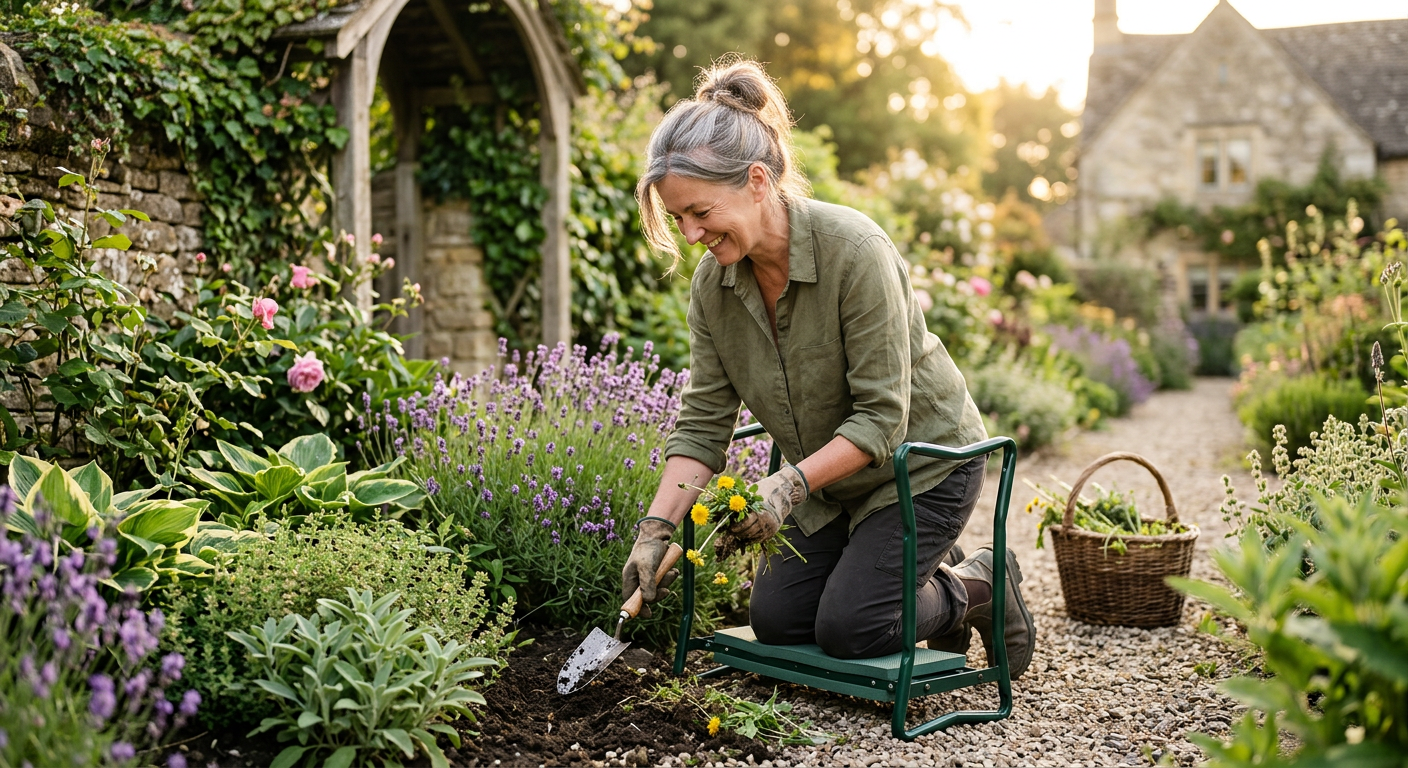
Garden soil is naturally uneven, with rocks, roots, and soft spots that create an unstable foundation for kneeling. What feels like solid ground can shift unexpectedly, forcing your body to constantly micro-adjust to maintain balance. These tiny corrections put continuous stress on your ankles, knees, and hips.
Balance naturally declines with age, and unstable kneeling surfaces accelerate this problem. When your body is constantly fighting to stay stable while you're focused on planting or weeding, it creates a perfect storm for falls, twisted joints, and muscle fatigue that can sideline you for weeks.
Extended Kneeling Sessions Are Reducing Blood Flow
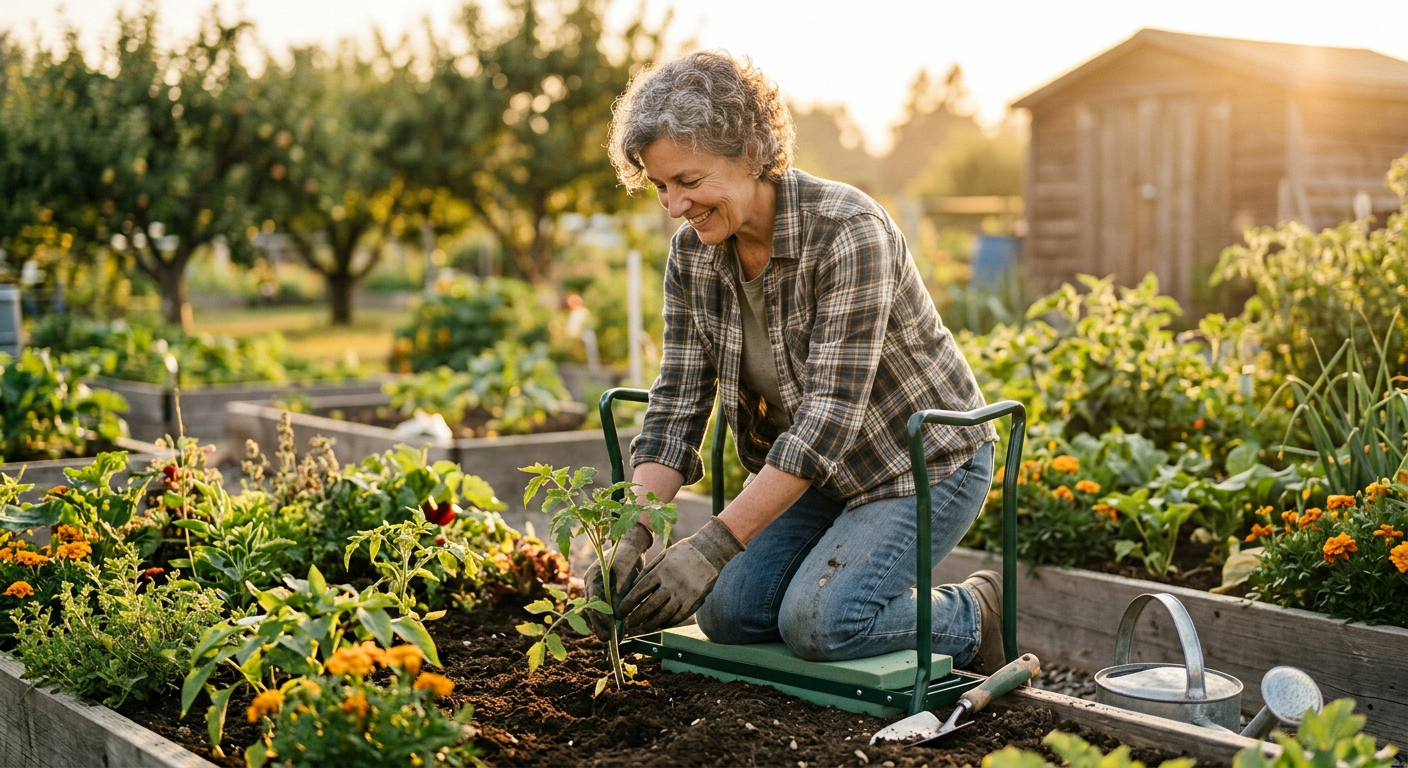
Prolonged kneeling compresses blood vessels in your legs, reducing circulation to your feet and lower legs. After 50, circulation naturally becomes less efficient, and kneeling positions can cut blood flow by up to 40%. This creates that familiar tingling, numbness, or "pins and needles" sensation.
Poor circulation during gardening doesn't just feel uncomfortable, it slows tissue repair and increases recovery time. Many gardeners find themselves taking longer breaks not because of joint pain, but because their legs "fall asleep" or feel unstable when they try to stand. This circulation disruption can persist long after you've finished gardening.
Protective Responses Are Limiting Your Garden Time

Your body's natural protective mechanisms kick in to prevent injury, but they also limit your gardening enjoyment. You might find yourself avoiding certain plants, rushing through tasks, or cutting sessions short not because you want to, but because your body is sending warning signals.
This protective response creates a frustrating cycle: shortened gardening sessions mean less time with the hobby you love, which often leads to feelings of lost independence and declining physical confidence. Many gardeners report feeling like they're "losing a part of themselves" when pain forces them to spend less time in their garden.
That's Why 47,000+ Gardeners Are Switching to the Garden Kneeler
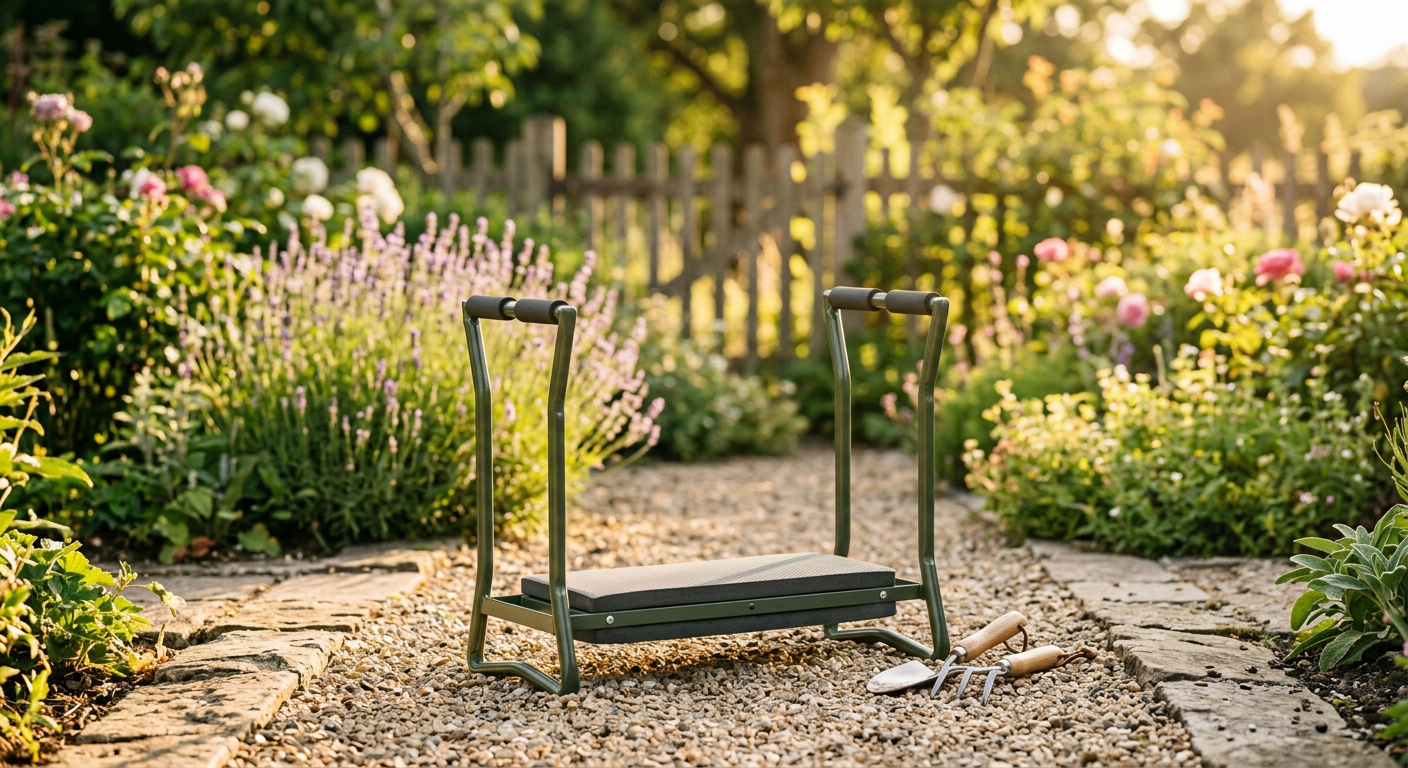
The Garden Kneeler addresses every single hazard we just discussed through its innovative 2-phase joint protection system. The thick cushioned base eliminates ground impact strain, while the sturdy side handles make standing up effortless and safe.
Instead of fighting against your body's natural changes, the Garden Kneeler works with them to restore your gardening confidence and extend your comfortable garden time.
What Makes the Garden Kneeler Different
- ✓ Thick foam padding reduces knee pressure by up to 70%
- ✓ Leverage handles eliminate back strain when standing
- ✓ Wide base provides stable support on any surface
- ✓ Promotes healthy blood circulation during extended use
- ✓ Flips to become a comfortable garden seat
- ✓ Built-in tool pockets keep supplies within reach
- ✓ Weather-resistant materials for year-round use
- ✓ Folds flat for easy storage and transport
Premium Cushioning
High-density foam provides maximum comfort and joint protection during extended gardening sessions.
Ergonomic Handles
Perfectly positioned leverage points make transitioning from kneeling to standing smooth and safe.
Dual-Purpose Design
Flip it over to transform from a kneeler into a comfortable seat for tasks at any height.
Real Gardeners Share Their Experience
"I was ready to give up my vegetable garden because getting up from weeding was becoming impossible. My daughter bought me this kneeler and honestly, it changed everything. The first time I used the handles to stand up, I almost cried. No more struggle, no more help needed. I'm back to spending my mornings in the garden like I used to."
"After my knee replacement surgery, I thought my gardening days were over. My physical therapist actually recommended trying a garden kneeler. Three months later, I'm back to maintaining my rose bushes and even started a new herb garden. The cushioning protects my knee, and the handles give me confidence I won't fall or strain my back."
"I was skeptical because I'd tried knee pads before and they didn't help much. This is completely different. The wide base keeps me stable even on uneven ground, and I love that it flips over to be a seat. I use it for both weeding and pruning my flower beds. My gardening sessions are twice as long now without any discomfort."